


Why Natural Daylight Matters for Healthcare Interiors
- Dimitri

- Dec 22, 2025
- 7 min read
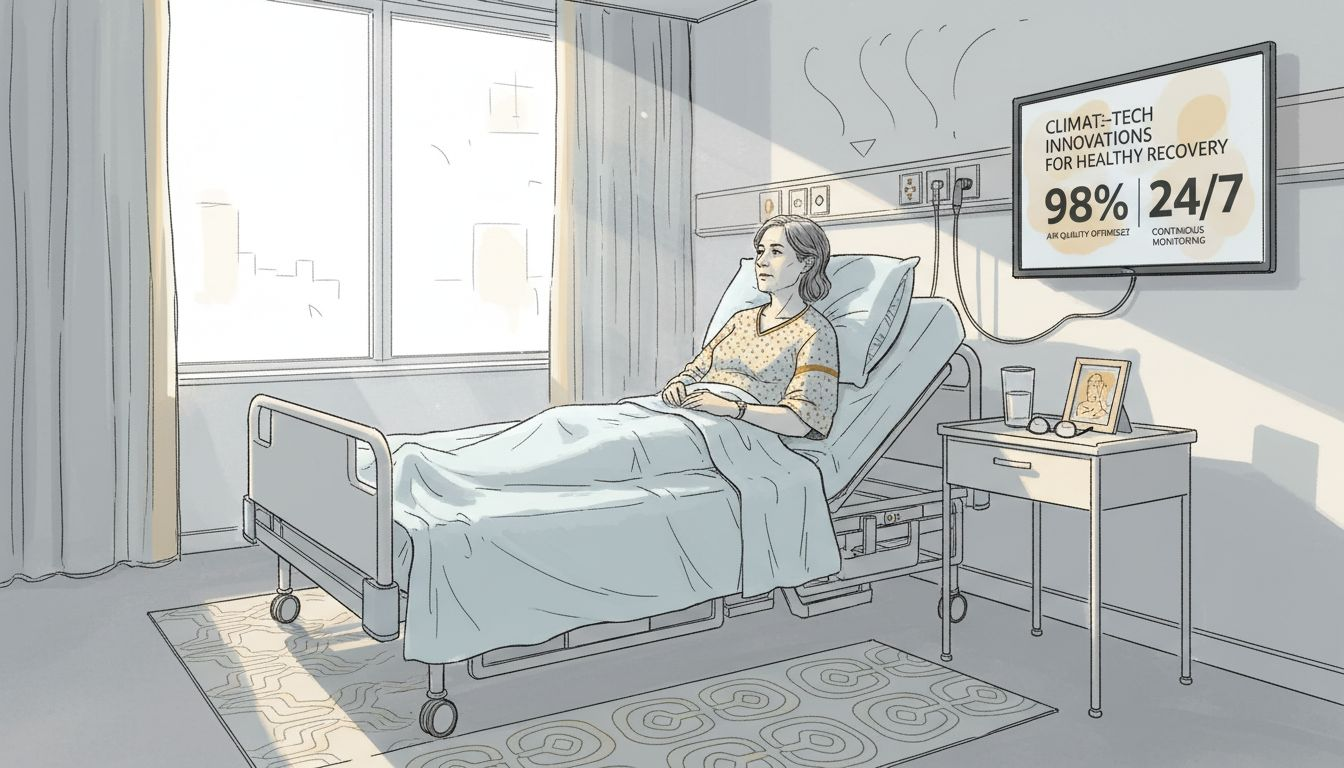
Most traditional healthcare environments often ignore the power of natural daylight, yet up to 60 percent of British hospitals are now exploring innovative daylight solutions to boost patient recovery and staff well-being. Bright spaces filled with natural light are linked to faster healing and improved moods, making them essential in modern medical design. This article unpacks what natural daylight means for British healthcare settings and how it shapes healthier, more energy-efficient spaces.
Table of Contents
Key Takeaways
Point | Details |
Natural Daylight Definition | Natural daylight in healthcare settings is defined as unfiltered or minimally filtered sunlight that enters spaces, enhancing healing environments. |
Technological Innovations | Advanced daylight solutions, such as optical redirection and dynamic control systems, optimise natural light entry and improve energy efficiency. |
Health Impacts | Exposure to natural daylight significantly enhances patient recovery and staff performance by positively influencing physiological and psychological states. |
Sustainability Benefits | Integrating natural daylight technologies reduces energy consumption and carbon emissions, contributing to sustainable healthcare practices. |
Defining Natural Daylight in Healthcare Settings
Natural daylight represents more than mere illumination in healthcare environments. It is a sophisticated interplay of solar radiation, wavelengths, and architectural design that transforms clinical spaces from sterile zones into healing ecosystems. Understanding natural daylight requires examining its physical composition, spectral characteristics, and profound physiological impacts on human wellness.
In healthcare settings, natural daylight is specifically defined as unfiltered or minimally filtered sunlight entering interior spaces through windows, skylights, translucent panels, or specialised daylight redirection systems. These systems go beyond traditional architectural apertures, leveraging advanced optical technologies to capture, redirect, and distribute sunlight strategically throughout medical facilities. The goal transcends simple brightness - it aims to replicate the dynamic quality of outdoor light cycles that human circadian rhythms inherently recognise and respond to.
The scientific definition of natural daylight in healthcare contexts encompasses several critical parameters. These include spectral composition (wavelengths between 380-700 nanometres), light intensity (measured in lux), colour temperature (typically ranging from 5000-6500 Kelvin), and temporal variability reflecting natural solar progression. Medical researchers increasingly recognise that these nuanced light qualities dramatically influence patient recovery, staff cognitive performance, and overall institutional wellness metrics. By optimising natural light design, healthcare facilities can create environments that actively support healing processes beyond traditional medical interventions.
Pro Tip: Strategic Daylight Assessment: Conduct a comprehensive light mapping survey of your healthcare facility to identify optimal natural light entry points and potential technological interventions that can enhance existing architectural configurations.
Types of Daylight Solutions and Technologies
Daylight solutions in healthcare environments represent sophisticated technological interventions designed to optimise natural illumination beyond traditional architectural approaches. These systems range from passive architectural design strategies to advanced technological implementations that actively manipulate and distribute solar radiation throughout medical facilities.
One prominent category of daylight technologies includes optical redirection systems, which leverage precision-engineered reflective panels and advanced light-tracking mechanisms. Dynamic daylight control systems represent cutting-edge innovations that capture, redirect, and distribute sunlight with unprecedented precision, reducing artificial lighting dependence while maintaining consistent illumination quality. These technologies utilise complex algorithms and sensors to track solar movement, automatically adjusting reflective surfaces to maximise natural light penetration.
Healthcare daylight solutions can be categorised into several key technological approaches. Passive solutions include architectural design elements like strategically positioned windows, light wells, and translucent building materials. Active solutions encompass more sophisticated natural light optimisation technologies that employ motorised reflective panels, AI-driven light distribution algorithms, and real-time environmental monitoring systems. These advanced technologies dynamically adjust light entry based on time of day, seasonal variations, and specific spatial requirements of different healthcare environments.
Pro Tip: Technology Assessment: Conduct a comprehensive technological audit of your healthcare facility’s existing daylight infrastructure, identifying potential integration points for advanced natural light systems that can enhance patient environments and reduce energy consumption.
Here is a summary of the main daylight technologies and their distinct advantages in healthcare environments:
Technology Type | Key Components | Primary Benefit |
Passive Daylight Solutions | Windows, light wells, translucent panels | Low maintenance, enhances ambience |
Optical Redirection Systems | Reflective panels, tracking mirrors | Deeper daylight penetration, energy savings |
Dynamic Control Systems | Sensors, AI algorithms, motorised panels | Responds to conditions in real-time |
Smart Daylight Management | Environmental monitoring, automated controls | Optimises light and energy simultaneously |
Physiological and Psychological Health Impacts
Natural daylight emerges as a profound therapeutic agent in healthcare environments, transcending traditional illumination to become a critical intervention for physiological and psychological wellness. The human body responds to light as more than a visual stimulus, interpreting solar radiation through complex neurological and endocrine pathways that regulate fundamental biological processes, mood regulation, and healing mechanisms.
Physiologically, exposure to natural daylight triggers critical hormonal cascades that directly influence patient recovery and staff performance. Circadian rhythms, controlled by the suprachiasmatic nucleus, respond to specific light wavelengths that modulate melatonin production, cortisol levels, and immune system functionality. Healthcare environments optimising natural light can effectively support patients’ metabolic processes, accelerate wound healing, reduce inflammatory responses, and potentially shorten hospital recovery periods through strategic light management.
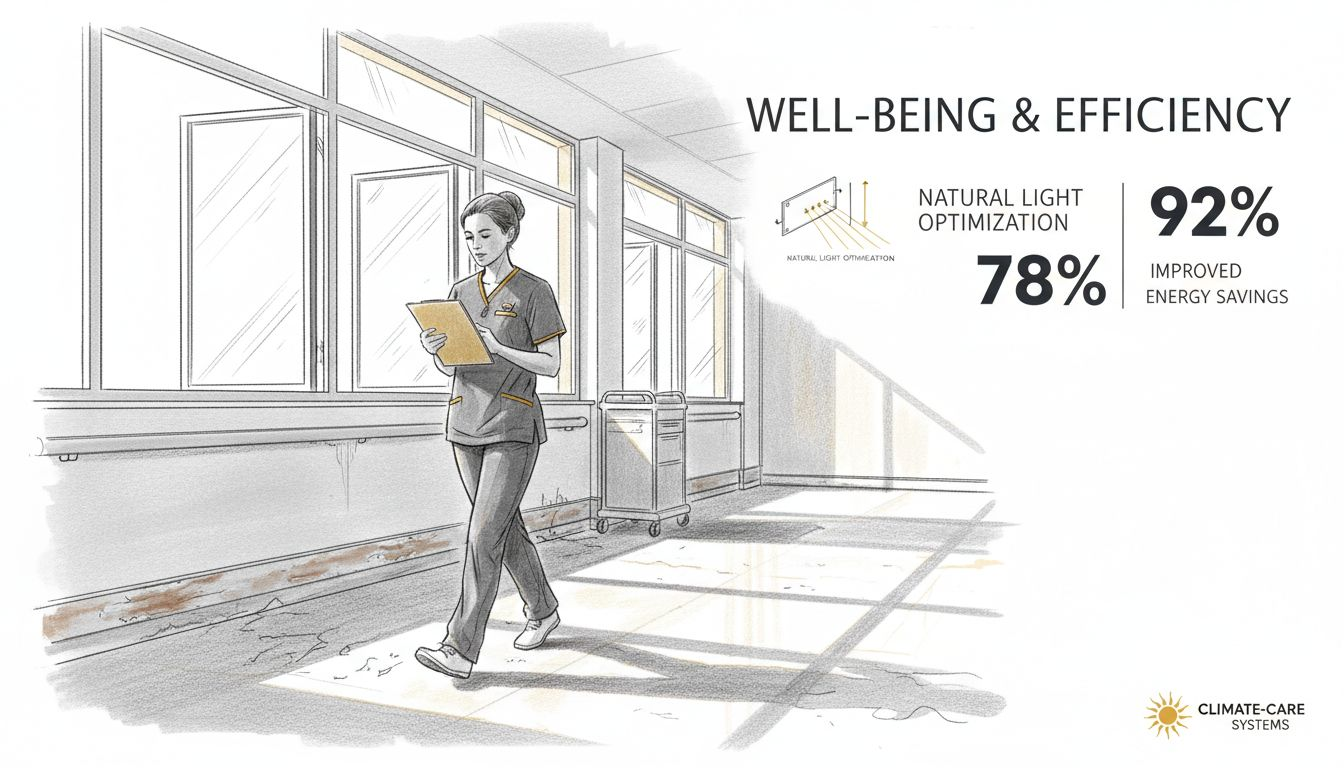
Psychological impacts of natural daylight are equally transformative. Patients experiencing consistent, high-quality natural illumination demonstrate measurably reduced stress levels, improved emotional regulation, and enhanced cognitive function. Specific psychological benefits include decreased anxiety, improved sleep patterns, increased vitamin D absorption, and a demonstrable sense of environmental connection that counteracts the potential emotional isolation inherent in clinical settings. The visual connection with external environments through thoughtfully designed daylight systems provides psychological respite, promoting a sense of normalcy and hope during medical treatments.
Pro Tip: Psychological Light Assessment: Implement regular patient and staff surveys to quantitatively measure the emotional and psychological impacts of your facility’s natural light design, using structured psychological assessment tools to track improvements in well-being and recovery experiences.
Energy Efficiency and Environmental Sustainability
Healthcare facilities represent significant energy consumers, with lighting and environmental control systems accounting for substantial operational expenditures. Natural daylight technologies offer transformative strategies for reducing energy consumption, minimising carbon footprints, and creating more sustainable medical environments that simultaneously support patient wellness and organisational efficiency.
Advanced daylight solutions demonstrate remarkable potential for energy conservation. Environmental benefits of daylight systems extend beyond immediate energy reduction, encompassing comprehensive sustainability strategies that align with global carbon reduction objectives. Effective shading and natural light management can dramatically reduce artificial lighting requirements, with some healthcare facilities reporting up to 60% reduction in electrical lighting consumption through intelligent daylight redirection technologies.
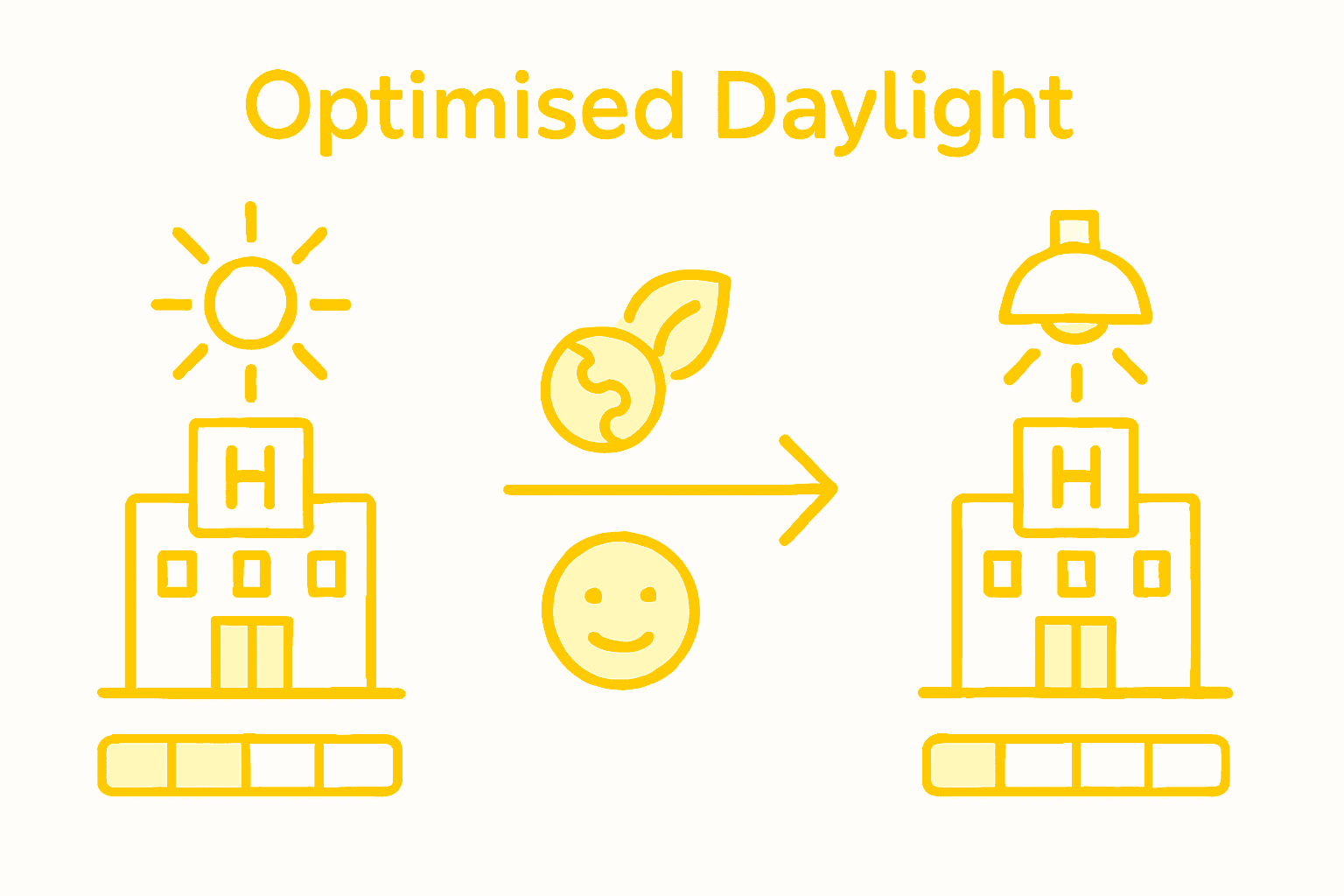
The environmental sustainability implications of natural daylight technologies are profound. By reducing artificial lighting and heating demands, healthcare institutions can significantly lower their greenhouse gas emissions, contributing to broader climate mitigation efforts. Integrated daylight systems leverage sophisticated optical technologies that not only minimise energy consumption but also create healthier, more responsive built environments. These systems dynamically adjust light transmission, optimising natural illumination while preventing heat gain, thereby reducing both lighting and temperature control energy requirements.
Pro Tip: Sustainability Audit: Conduct a comprehensive energy performance assessment of your healthcare facility, specifically focusing on lighting and thermal management systems to identify potential natural daylight integration opportunities that can yield substantial environmental and financial benefits.
The table below compares key health and sustainability impacts of optimised natural daylight in medical settings:
Impact Area | Example Effect | Organisational Benefit |
Patient Physiology | Improved healing, reduced inflammation | Shorter recovery, lower costs |
Psychological State | Reduced anxiety, better sleep | Higher patient satisfaction rates |
Energy Consumption | Reduced artificial lighting demand | Lower operational expenditure |
Environmental Output | Decreased carbon emissions | Improved sustainability ratings |
Integrating Daylight with Green Building Standards
Green building standards represent comprehensive frameworks that evaluate architectural design through multifaceted environmental and human wellness criteria. In healthcare environments, these standards transcend traditional energy efficiency metrics, incorporating sophisticated considerations about occupant health, environmental impact, and sustainable technological integration.
The intersection of daylight technologies with green building certifications like BREEAM and LEED demands nuanced approaches to illumination design. Biologically appropriate lighting strategies enable healthcare facilities to simultaneously meet stringent environmental performance requirements while supporting human physiological and psychological well-being. These advanced systems go beyond mere illumination, providing dynamic light management that adapts to human circadian rhythms, reduces energy consumption, and creates healing environments that actively contribute to patient recovery.
Critical green building standard evaluation criteria for daylight integration include quantitative metrics such as daylight autonomy, visual comfort indices, and energy use intensity. Healthcare designers must demonstrate how natural light technologies reduce artificial lighting demands, minimise solar heat gain, and create environments that support patient healing while maintaining optimal thermal and visual comfort. Energy-saving lighting solutions that leverage advanced optical technologies can help healthcare facilities achieve higher certification levels by demonstrating measurable reductions in energy consumption and enhanced occupant wellness.
Pro Tip: Certification Preparation: Develop comprehensive documentation tracking the physiological, psychological, and environmental performance metrics of your daylight integration technologies to support green building certification applications.
Elevate Healthcare Interiors with Natural Daylight Solutions
Unlock the transformative power of natural daylight in your healthcare facility by addressing critical challenges such as patient recovery, staff well-being, and excessive energy use. The article highlights how optimising spectral composition, light intensity, and circadian-aligned lighting dramatically improves healing environments while reducing reliance on artificial lighting. At LightMirror, we specialise in innovative reflective panel technology combined with AI algorithms and environmental monitoring to redirect sunlight deep into interiors, converting sterile spaces into vibrant, health-promoting environments.
Explore our tailored solutions within the soothing spectrum of Calming sand to enhance patient comfort and contribute to sustainability goals aligned with BREEAM and LEED standards. Don’t miss the opportunity to transform your healthcare interiors with dynamic daylight control that supports recovery, lowers operational costs, and reduces carbon footprints. Take the next step today by visiting LightMirror to learn how your facility can benefit from advanced natural light optimisation technologies.
Frequently Asked Questions
What is natural daylight in healthcare settings?
Natural daylight in healthcare refers to unfiltered or minimally filtered sunlight entering spaces through windows, skylights, or specialised daylight redirection systems. It is designed to enhance the healing environment by replicating outdoor light cycles.
How does natural daylight impact patient recovery in healthcare facilities?
Exposure to natural daylight can positively influence patient recovery by modulating biological processes, such as hormone regulation, and enhancing mood and cognitive function, which ultimately supports faster healing and reduced hospital stays.
What technologies are used to optimise natural daylight in healthcare environments?
Technologies to optimise natural daylight include optical redirection systems, dynamic control systems, and smart daylight management solutions. These technologies capture and distribute sunlight effectively while minimising artificial lighting needs.
How can natural daylight contribute to energy efficiency in healthcare institutions?
Natural daylight can significantly reduce the need for artificial lighting, leading to lower energy consumption and costs. Advanced daylight solutions can achieve up to 60% reduction in electrical lighting usage, thereby contributing to more sustainable healthcare operations.
Recommended
Comments