
Natural Light Optimisation Steps for Healthcare Spaces
- Dimitri

- Dec 18, 2025
- 7 min read
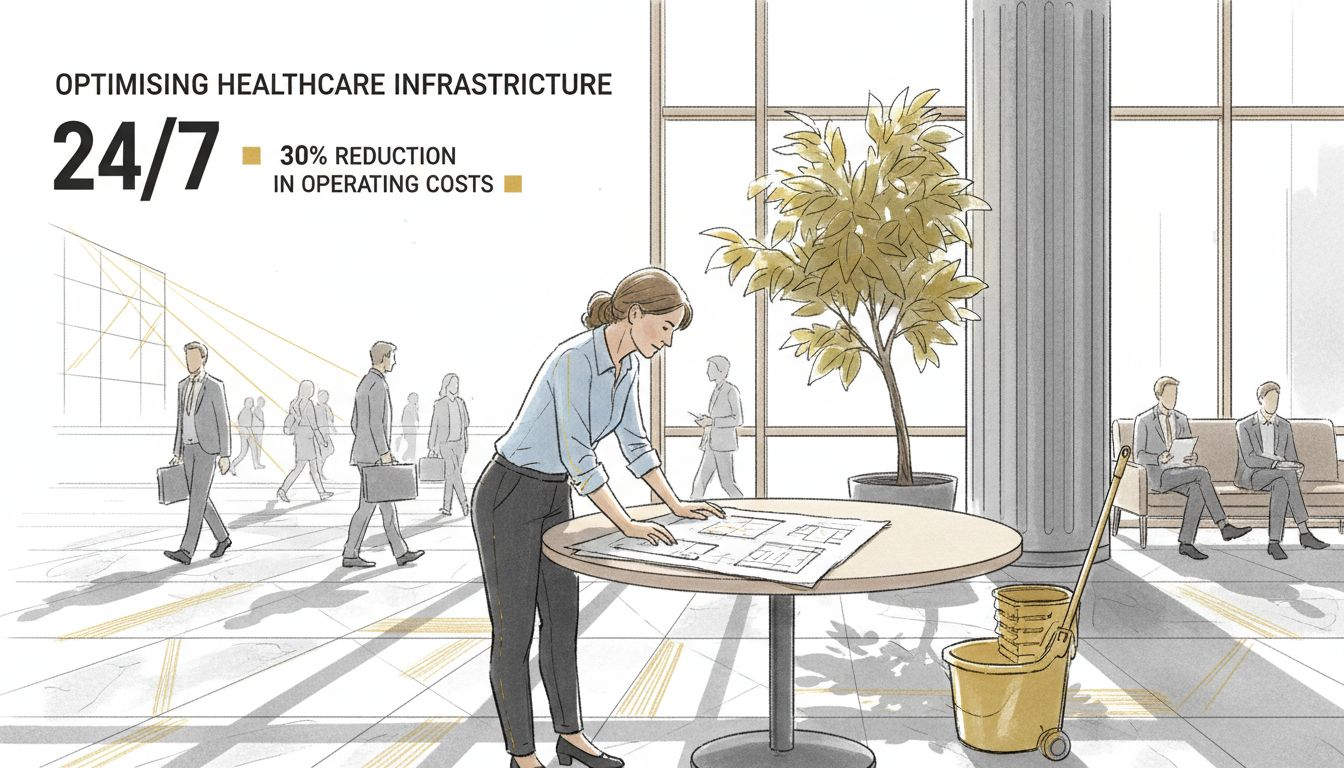
Research shows that well-designed daylighting systems can reduce hospital energy costs by up to 30 percent. For British healthcare leaders, this matters because natural light not only saves energy but also helps create healing spaces and improves staff morale. By understanding key steps like layout assessment, reflective panel integration, and AI-based monitoring, you can transform light management in British medical settings for measurable improvements in recovery and efficiency.
Table of Contents
Quick Summary
Important Insight | Detailed Explanation |
1. Assess Daylight Potential | Conduct a spatial analysis of building layout to optimise sunlight and enhance healing environments. |
2. Position Reflective Panels | Strategically place reflective panel systems to maximise natural light and improve patient recovery outcomes. |
3. Integrate AI Monitoring | Use AI technology for real-time light assessment, allowing dynamic adjustments to enhance light distribution. |
4. Calibrate Light Settings | Regularly calibrate settings to maintain optimal natural light levels, considering seasonal and spatial changes. |
5. Verify Performance and Savings | Systematically assess lighting performance and energy savings to validate optimisation strategies and improve environments. |
Step 1: Assess Building Layout and Daylight Potential
Assessing your healthcare space’s daylight potential requires a systematic approach to understanding how architectural design influences natural illumination. By carefully evaluating your building’s layout, you can optimise sunlight entry and create environments that support patient healing and staff well-being.
Begin by conducting a comprehensive spatial analysis using computational workflows for sunlight exposure evaluation. This involves mapping your building’s orientation, window placements, and structural elements that might obstruct or enhance natural light penetration. Professional tools can help you simulate how sunlight moves through different spaces throughout the day, revealing potential optimisation opportunities. When analysing hospital building forms, researchers have demonstrated that strategic design can significantly impact daylighting performance, particularly in warm humid environments where architectural configuration plays a crucial role in energy efficiency.
Key considerations include examining room depths, window sizes, floor-to-ceiling heights, and potential reflective surfaces that could enhance light distribution. Pay special attention to patient areas, treatment rooms, and communal spaces where natural light can have the most significant psychological and physiological benefits.
Pro tip: Utilise digital modelling software to create precise 3D representations of your healthcare facility, allowing you to virtually test different daylight scenarios before making physical modifications.
The table below summarises the key architectural factors influencing daylight potential in healthcare settings:
Factor | Description | Impact on Daylighting |
Building Orientation | Direction relative to sun path | Determines sunlight entry angles |
Window and Opening Placement | Location and size of windows and skylights | Affects light penetration depth |
Reflective Surfaces | Use of surfaces that bounce daylight | Enhances interior light spread |
Obstructive Structures | Walls, partitions, or overhangs blocking light | Reduces effective daylight zones |
Step 2: Select and Position Reflective Panel Systems
Choosing and strategically positioning reflective panel systems is critical for maximising natural light distribution throughout healthcare environments. Your goal is to create an intelligent lighting strategy that enhances patient recovery spaces and supports staff wellbeing.
Begin by understanding the fundamental principles of light redirection. Architectural light shelves offer an innovative approach to daylight management, providing horizontal surfaces that can reflect sunlight deeper into building interiors while reducing potential glare. Modern reflective technologies have advanced significantly, with polymer-based metamaterials now capable of sophisticated light diffusion and radiative cooling, enabling more nuanced control over indoor illumination.
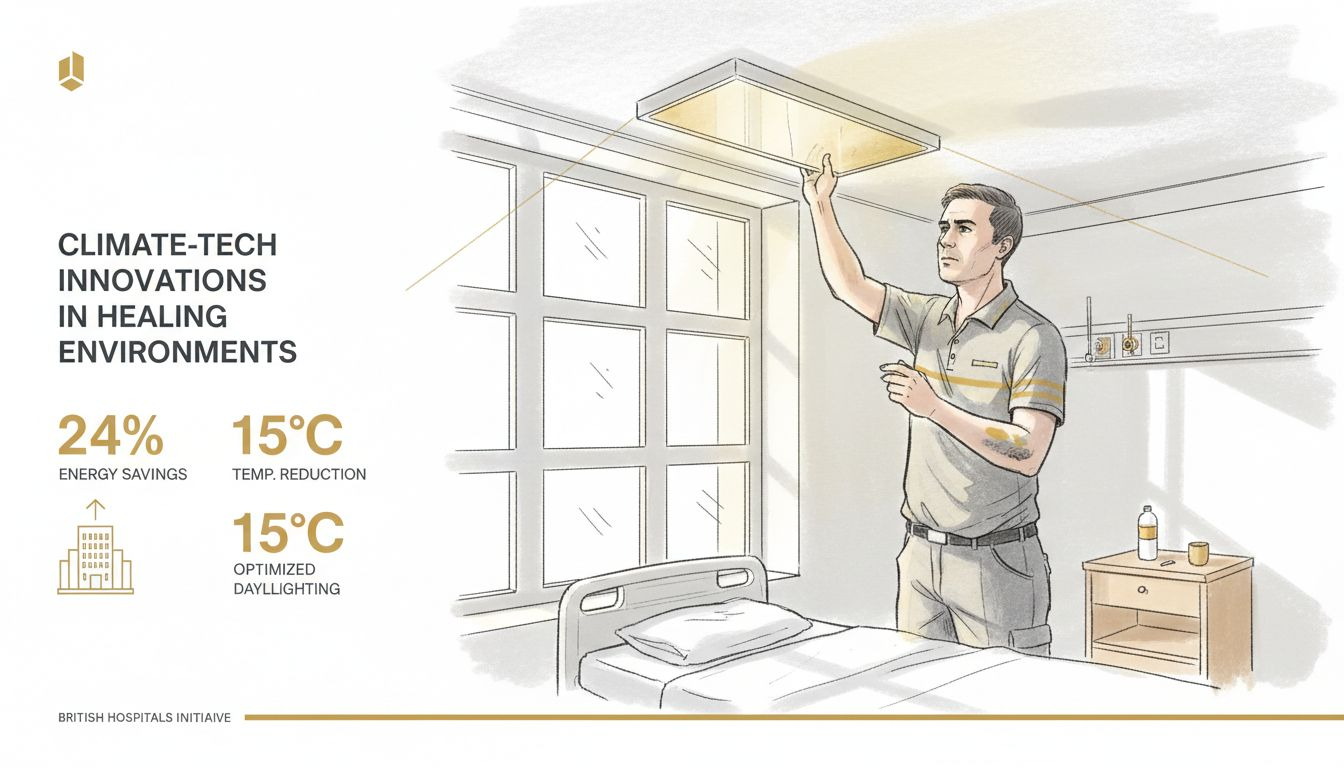
Consider key placement factors such as panel orientation, building geometry, window positioning, and local solar trajectories. Focus on high traffic areas like patient rooms, treatment spaces, and staff workstations where optimal natural lighting can substantially improve psychological and physiological outcomes. Evaluate each potential panel location based on its ability to capture and redistribute sunlight efficiently without creating direct visual discomfort.
Pro tip: Conduct preliminary computer simulations to map potential light paths and identify optimal panel positioning before physical installation, allowing you to refine your strategy with minimal disruption.
Here is a comparison of common reflective panel technologies and their benefits in healthcare environments:
Technology | Light Control Precision | Additional Benefit |
Standard Light Shelves | Moderate | Reduces glare near workstations |
Polymer Metamaterials | High | Enables radiative cooling |
Prismatic Panels | Good | Focuses light deeper indoors |
Step 3: Integrate AI-Based Environmental Monitoring
Integrating AI-based environmental monitoring transforms how healthcare facilities manage and optimise natural lighting systems. This advanced approach enables real-time analysis and intelligent adaptation of light distribution throughout medical spaces.
Begin by implementing sophisticated computational methods that can map indoor luminance values with unprecedented precision, allowing for dynamic environmental assessment. Modern AI technologies like multilayer perceptron algorithms provide rapid sunlight evaluation techniques that can instantly analyse complex spatial configurations. These systems continuously track light intensity, angle, temperature, and potential glare risks, enabling automatic adjustments to reflective panel positioning and transparency.
Focus on developing a comprehensive monitoring framework that integrates sensor networks, machine learning algorithms, and adaptive control systems. Prioritise capturing granular data about light quality, patient exposure patterns, and energy consumption. Your AI system should not just collect information but actively interpret environmental conditions to recommend or implement optimal lighting strategies that support healing environments and staff productivity.
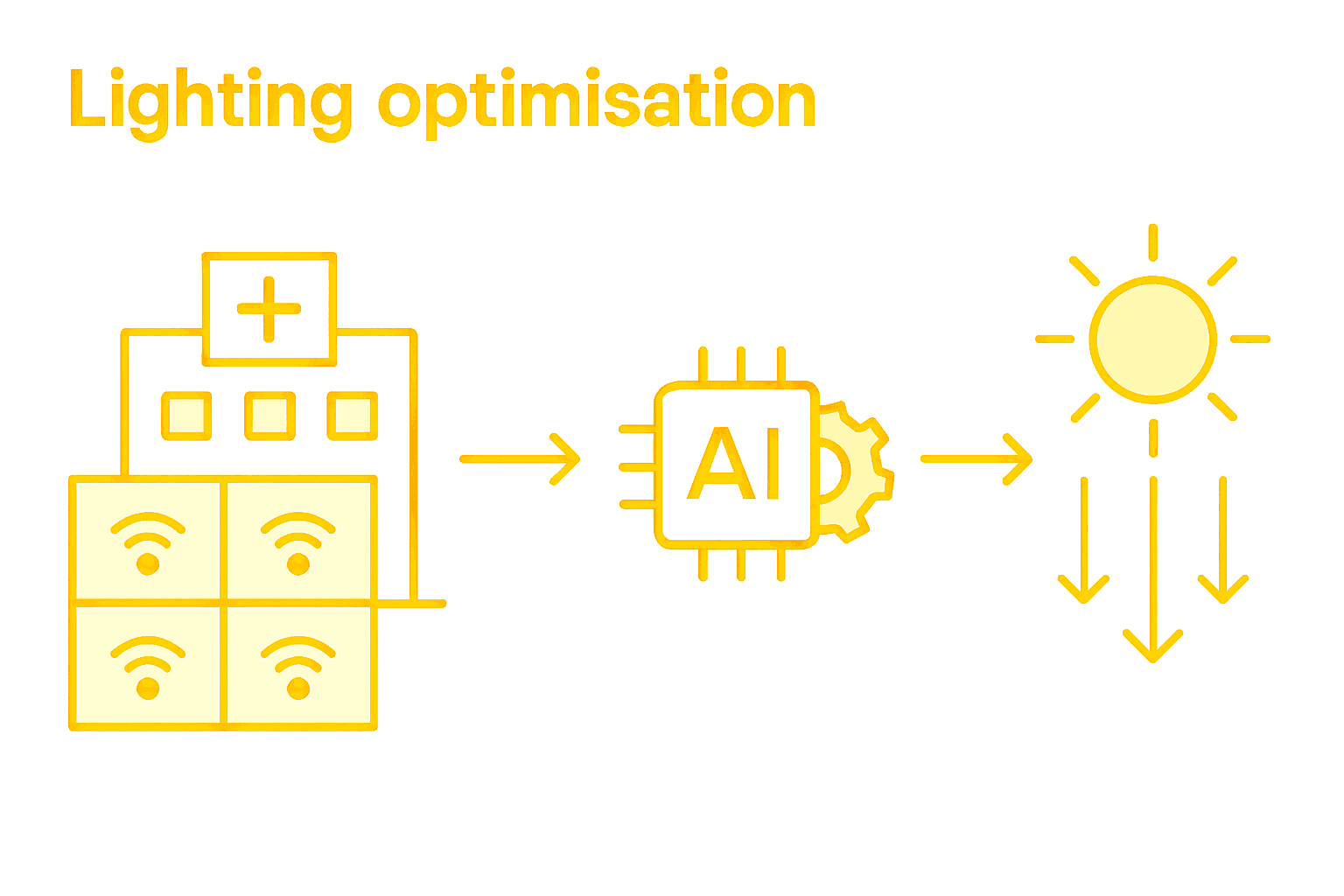
Pro tip: Select AI monitoring systems with robust machine learning capabilities that can develop predictive models based on historical environmental data, allowing for increasingly intelligent and nuanced light management over time.
Step 4: Calibrate System Settings for Optimal Light Distribution
Calibrating system settings is a critical process for achieving precise natural light distribution in healthcare environments. Your goal is to fine-tune reflective panel systems to deliver consistent, therapeutic illumination across different spaces and changing environmental conditions.
Begin by understanding the fundamental parameters that influence light performance. Parametric design methods offer sophisticated approaches to optimising daylight distribution, particularly when applied to complex healthcare spaces. Research demonstrates that critical factors like window-to-wall ratios and strategic shading mechanisms can significantly impact patient room illumination, allowing for more nuanced environmental control.
Develop a systematic calibration approach that involves measuring light intensity, tracking seasonal variations, and creating adaptive settings for different times of day and architectural zones. Focus on granular adjustments that account for room-specific characteristics such as wall colours, furniture placement, and patient bed positioning. Your calibration process should prioritise consistent light quality that minimises glare while maximising natural illumination benefits.
Pro tip: Conduct quarterly system recalibrations to account for subtle changes in building usage patterns, furniture configurations, and seasonal light variations that might impact your optimal settings.
Step 5: Verify Light Enhancement and Energy Savings
Verifying light enhancement and energy savings requires a comprehensive approach that combines precise measurement techniques with detailed performance analysis. Your objective is to validate the effectiveness of your natural lighting optimisation strategy and quantify its tangible benefits.
Daylighting system performance evaluations reveal critical insights into visual comfort and energy efficiency, providing a robust framework for assessment. Comprehensive studies examining interior reflectance, glazing configurations, and design categories can help quantify light enhancement potential, allowing healthcare facilities to understand their exact energy savings and illumination improvements.
Develop a systematic verification protocol that involves multiple assessment methods. This should include quantitative measurements like lux levels, energy consumption tracking, and comparative analyses between traditional and optimised lighting scenarios. Engage independent energy auditors to conduct comprehensive assessments, ensuring objective evaluation of your system’s performance. Pay special attention to metrics such as reduced artificial lighting usage, improved patient recovery environments, and overall energy cost reductions.
Pro tip: Create a standardised performance dashboard that tracks key performance indicators monthly, enabling quick identification of trends and potential optimisation opportunities.
Enhance Healthcare Spaces with Advanced Natural Light Solutions
Healthcare facilities face the critical challenge of maximising natural light to improve patient recovery while reducing energy costs and environmental impact. This article highlights essential steps such as assessing building layouts, selecting reflective panels, and integrating AI monitoring to optimise daylight distribution. At LightMirror, we understand these goals and offer innovative reflective panel systems that redirect sunlight deep into hospital interiors, elevating both staff well-being and patient comfort.
Discover how our proprietary technologies, including options like the Calming Sand collection, bring sophisticated light control and enhanced healing environments to your healthcare projects. Don’t wait to transform your facilities—explore our full range of sustainable lighting solutions at LightMirror and learn how expert guidance from feasibility studies through installation can make your building a benchmark in green healthcare design.
Ready to optimise your healthcare space with natural light innovation Explore our Provence Lavanda collection and visit LightMirror today to start your project journey towards healthier, energy-efficient environments.
Frequently Asked Questions
How can I assess the daylight potential in my healthcare facility?
To assess the daylight potential, conduct a spatial analysis of your building’s layout, including its orientation and window placements. Use computational workflows to simulate sunlight exposure and identify areas for optimisation.
What factors should I consider when positioning reflective panel systems in healthcare spaces?
When positioning reflective panel systems, consider panel orientation, building geometry, and window positioning to maximise natural light distribution. Focus on high-traffic areas like patient rooms and treatment spaces where optimal lighting can enhance well-being.
How can AI-based environmental monitoring improve natural lighting in my healthcare space?
AI-based environmental monitoring allows for real-time analysis and adjustment of light distribution based on varying conditions. Implement a system that tracks light intensity, angle, and glare to adaptively manage reflective panel settings for optimal illumination.
What is the best way to calibrate lighting systems for consistent natural light distribution?
Begin by measuring light intensity and tracking variations over time to develop a systematic calibration approach. Adjust settings for specific room characteristics, such as wall colours and furniture placement, to ensure consistent and therapeutic illumination.
How can I verify the effectiveness of my natural light optimisation strategy?
Verify your optimisation strategy by conducting performance evaluations that measure light levels and energy consumption. Set up a dashboard to track key performance indicators monthly, allowing you to identify trends and make necessary adjustments to improve outcomes.
What is the role of reflective surfaces in enhancing daylighting in healthcare environments?
Reflective surfaces can significantly enhance daylight distribution by bouncing natural light deeper into spaces. Strategically incorporate these surfaces in areas where maximising light quality is crucial, like communal spaces and treatment rooms, to improve overall patient experience.
Recommended
Comments