


Why Optimise Natural Light in Healthcare Design
- Dimitri

- Dec 19, 2025
- 9 min read
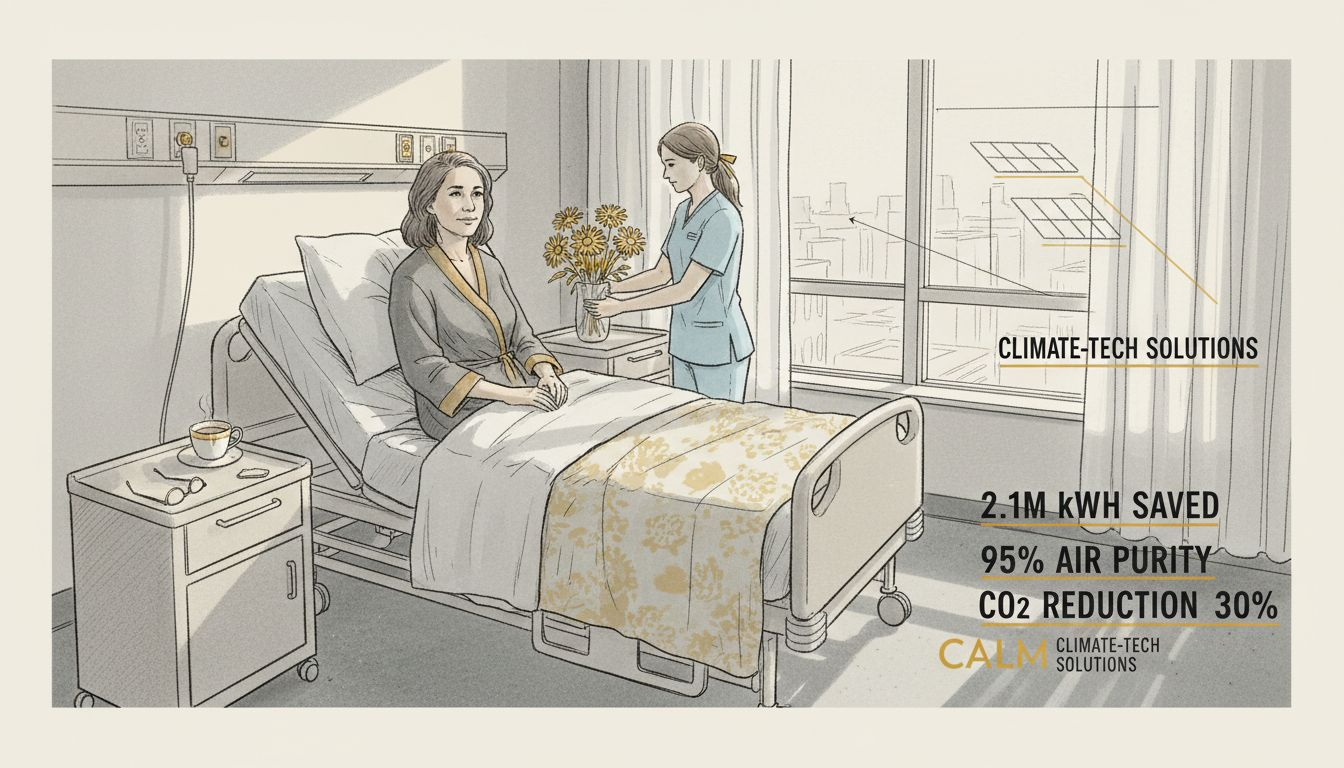
Most British hospitals are now adopting advanced daylight techniques, recognising that well-designed natural lighting goes beyond simple aesthetics. The growing evidence shows that patients in sun-filled rooms recover up to 30 percent faster, making natural light optimisation a vital element in modern healthcare. This approach not only supports patient wellbeing but also boosts staff performance and reduces energy costs, revealing how thoughtful design can dramatically improve the experience and outcomes within British medical environments.
Table of Contents
Key Takeaways
Point | Details |
Natural Light is Essential for Healing | Incorporating natural light into healthcare design significantly enhances patient recovery, reduces stress, and improves overall wellbeing. |
Strategic Design Matters | Effective daylight optimisation involves precise planning, including window positioning and the use of reflective surfaces to maximise light benefits while minimising drawbacks. |
Collaboration is Key | Successful implementation requires interdisciplinary collaboration between architects, lighting engineers, and healthcare professionals to create truly healing environments. |
Sustainability and Efficiency | Intelligent lighting solutions not only enhance patient and staff experiences but also promote energy efficiency and reduce the environmental impact of healthcare facilities. |
Natural Light Optimisation Explained
Natural light optimisation represents a sophisticated approach to healthcare design that goes far beyond mere aesthetic considerations. By strategically integrating daylight into medical environments, architects and designers can create spaces that fundamentally transform patient experiences and healthcare outcomes. Biophilic design principles demonstrate how intentional natural light placement can profoundly impact human physiology and psychological well-being.
The core methodology involves understanding architectural techniques that maximise sunlight penetration while mitigating potential drawbacks like glare and thermal gain. This requires sophisticated analysis of building orientation, window placement, reflective surfaces, and innovative light-redirecting technologies. Designers must balance multiple variables: patient comfort, staff productivity, energy efficiency, and circadian rhythm regulation. Modern healthcare facilities increasingly recognise that natural light is not a luxury, but a critical component of healing environments.
Effective natural light optimisation typically involves several strategic interventions:
Precise window positioning to capture optimal sunlight angles
Use of light-reflective interior surfaces
Implementation of dynamic shading systems
Integration of advanced daylight tracking technologies
Consideration of seasonal and geographical light variations
Pro Tip: Strategic Light Assessment: Conduct a comprehensive daylight mapping study before finalising healthcare facility designs, using specialised software to simulate light penetration and quality throughout different times of day and seasons.
Important considerations also extend to psychological impacts. Natural illumination can significantly reduce patient stress, accelerate recovery times, and improve overall medical treatment experiences. By viewing light as an active design element rather than a passive background feature, healthcare environments can become more therapeutic and responsive to human needs.
Achieving optimal natural light requires interdisciplinary collaboration between architects, lighting engineers, healthcare professionals, and environmental psychologists. Each perspective contributes crucial insights into creating spaces that are not just functional, but genuinely healing.
Pro Expert Insight: Light Calibration Strategy: Work with specialised consultants who can provide precise computational fluid dynamics simulations to predict and optimise natural light distribution within complex healthcare spaces.
Types of Daylight Enhancement in Healthcare
Healthcare environments demand sophisticated daylight enhancement strategies that go beyond conventional architectural approaches. Optimal daylighting design strategies demonstrate that precise technical interventions can dramatically transform healthcare spaces, improving both patient outcomes and staff well-being.
These enhancement techniques can be categorised into several key approaches:
Architectural Interventions
Strategic window placement
Utilisation of reflective interior surfaces
Incorporation of light wells and atrium designs
Implementation of dynamic glass technologies
Technological Solutions
Advanced light-redirecting panel systems
Automated shading mechanisms
Spectral tuning technologies
Intelligent daylight tracking systems
Psychological Design Considerations
Colour temperature modulation
Visual comfort optimization
Circadian rhythm synchronization
Stress reduction through ambient lighting
The visual comfort parameters for healthcare staff reveal that effective daylight enhancement is not merely about illumination intensity, but about creating nuanced, adaptive lighting environments that respond to human physiological and psychological needs.
Important considerations include managing potential challenges such as glare, thermal gain, and energy efficiency. Modern healthcare designers must balance multiple objectives: maximising natural light while maintaining patient privacy, reducing energy consumption, and creating healing-oriented spatial experiences.
Pro Tip: Daylight Calibration: Engage multidisciplinary teams including lighting engineers, healthcare professionals, and environmental psychologists to develop holistic daylight strategies that address both technical and human-centric design requirements.
Health and Wellbeing Benefits for Patients and Staff
Critical role of light in human functioning reveals profound implications for both patient recovery and healthcare worker performance. Natural light exposure transcends mere aesthetic considerations, emerging as a fundamental therapeutic intervention that significantly influences physiological and psychological well-being.
For patients, the benefits are multifaceted and scientifically substantiated:
Accelerated healing and recovery rates
Reduced perception of pain
Improved sleep quality
Enhanced mood and emotional regulation
Decreased stress and anxiety levels
Stronger immune system response
Healthcare staff equally experience transformative advantages from optimised natural lighting environments:
Increased energy and alertness
Enhanced cognitive performance
Reduced workplace fatigue
Improved overall mental health
Better circadian rhythm regulation
Lower rates of burnout and emotional exhaustion
Ambulatory healthcare design research underscores that strategic light implementation is not merely a design preference but a critical health intervention. The physiological mechanisms involve complex interactions between light exposure, hormonal regulation, and neurological processing.
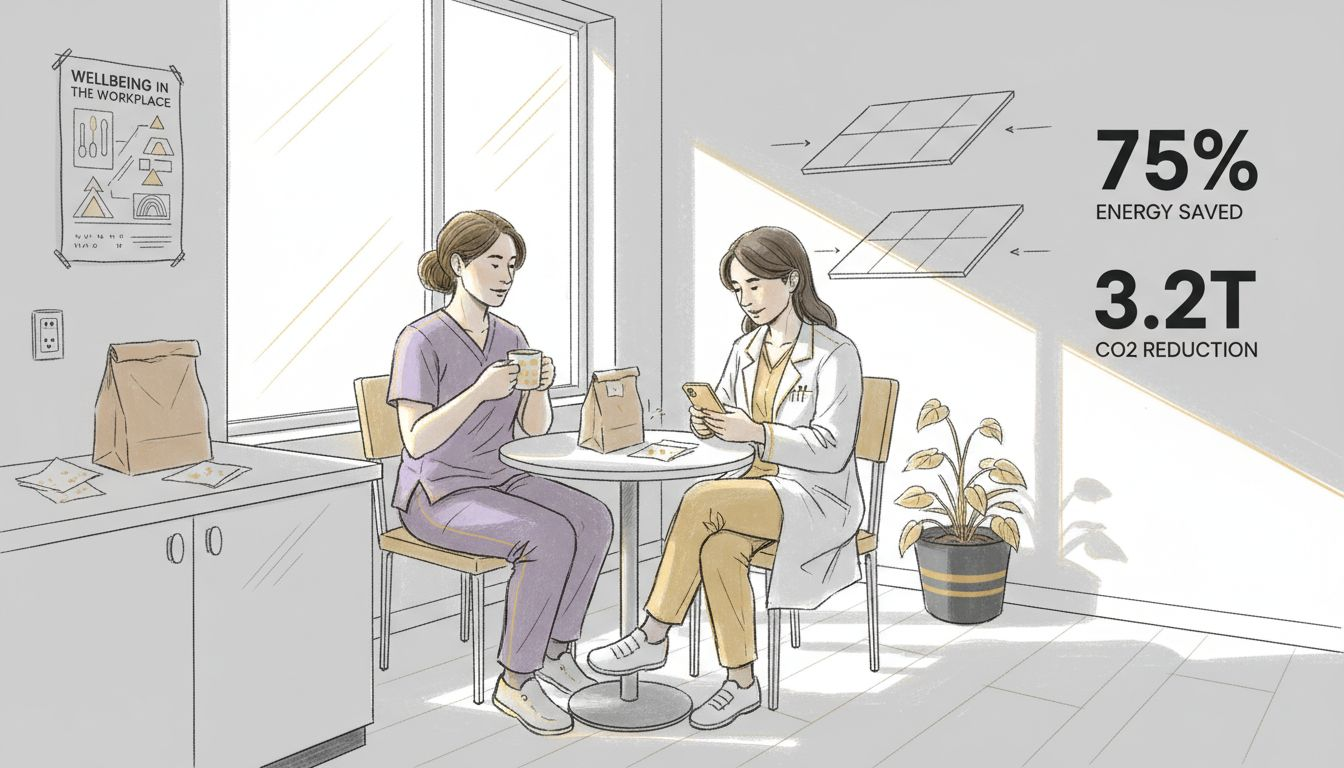
Advanced healthcare environments now recognise light as an active therapeutic tool, moving beyond traditional architectural considerations. Quantifiable improvements in patient recovery times, staff productivity, and overall institutional performance demonstrate the profound impact of thoughtful lighting design.
Pro Tip: Holistic Lighting Assessment: Conduct comprehensive light audits that evaluate spectral quality, intensity, and temporal variations to create evidence-based, human-centric lighting strategies in healthcare settings.
The following table summarises how daylight enhancement strategies impact both patient and staff wellbeing in healthcare environments:
Enhancement Strategy | Patient Impact | Staff Impact |
Dynamic light management | Accelerates healing, reduces pain | Increases alertness, reduces fatigue |
Circadian rhythm alignment | Improves sleep, lowers stress | Supports shift work, boosts mental health |
Visual comfort enhancements | Reduces anxiety, improves mood | Enhances concentration, lowers burnout |
Adaptable intensity control | Tailors comfort for recovery | Promotes sustained energy and focus |
Energy Efficiency and Sustainability Impact
Dynamic illumination systems represent a revolutionary approach to reducing energy consumption in healthcare environments. By intelligently managing light resources, hospitals can dramatically decrease their carbon footprint while maintaining optimal illumination conditions for patients and staff.
Key strategies for achieving energy efficiency through lighting include:
Implementing automated daylight harvesting technologies
Utilising sensor-driven light management systems
Integrating reflective surface technologies
Adopting spectrally tuned lighting solutions
Leveraging natural light redirection mechanisms
Employing intelligent zoning and occupancy-based controls
Computational luminance mapping techniques enable precise optimization of facade design and interior lighting configurations. These advanced methodologies allow healthcare facilities to:
Minimise artificial lighting requirements
Reduce overall electricity consumption
Lower operational carbon emissions
Enhance environmental sustainability credentials
Improve building energy performance ratings
Create more responsive architectural environments
Modern healthcare facilities are increasingly recognising that sustainable lighting design is not just an environmental imperative but a strategic economic advantage. Intelligent lighting solutions can generate substantial long-term cost savings while simultaneously improving occupant experiences and reducing ecological impact.
The intersection of technological innovation and environmental consciousness drives these transformative approaches to healthcare infrastructure design. By embracing sophisticated, data-driven lighting strategies, institutions can simultaneously address economic, health, and sustainability objectives.
Pro Tip: Energy Audit Strategy: Conduct comprehensive lighting performance assessments using advanced computational modelling to identify precise opportunities for energy optimization and sustainable design interventions.
Integrating Technology for Maximum Daylight Use
Architectural simulation technologies have revolutionised our approach to maximising natural light in healthcare environments. By employing sophisticated tools that predict and analyse daylight penetration, designers can now create spaces that are both scientifically optimised and therapeutically effective.
Key technological interventions for daylight enhancement include:
Advanced computational modeling systems
Real-time light tracking sensors
Dynamic glass technologies
Automated reflective panel networks
AI-driven light distribution algorithms
Spectral analysis and tuning mechanisms
These technologies enable precise light management strategies that go beyond traditional architectural design approaches. Artificial sky simulation tools provide unprecedented insights into how light behaves within complex healthcare spaces, allowing designers to:
Predict exact light distribution patterns
Minimise potential glare and thermal challenges
Optimise window and facade configurations
Create adaptive lighting environments
Ensure consistent illumination quality
Support patient circadian rhythm regulation
Intelligent light integration represents the convergence of architectural design, environmental psychology, and cutting-edge technology. By transforming natural light from a passive environmental element into an active, programmable resource, healthcare facilities can create more responsive, healing-oriented spaces.
Modern technological approaches treat light as a dynamic, controllable parameter rather than a static architectural feature. This paradigm shift enables unprecedented levels of precision in creating environments that actively support human health and well-being.
Pro Tip: Technology Integration Strategy: Collaborate with multidisciplinary teams including lighting engineers, architects, and healthcare professionals to develop comprehensive, technology-driven daylight optimization strategies.
Comparing Natural Light with Artificial Lighting
Light therapy research reveals profound differences between natural and artificial lighting in healthcare environments. While artificial lighting provides consistent illumination, natural light offers dynamic physiological and psychological benefits that extend far beyond simple visual perception.
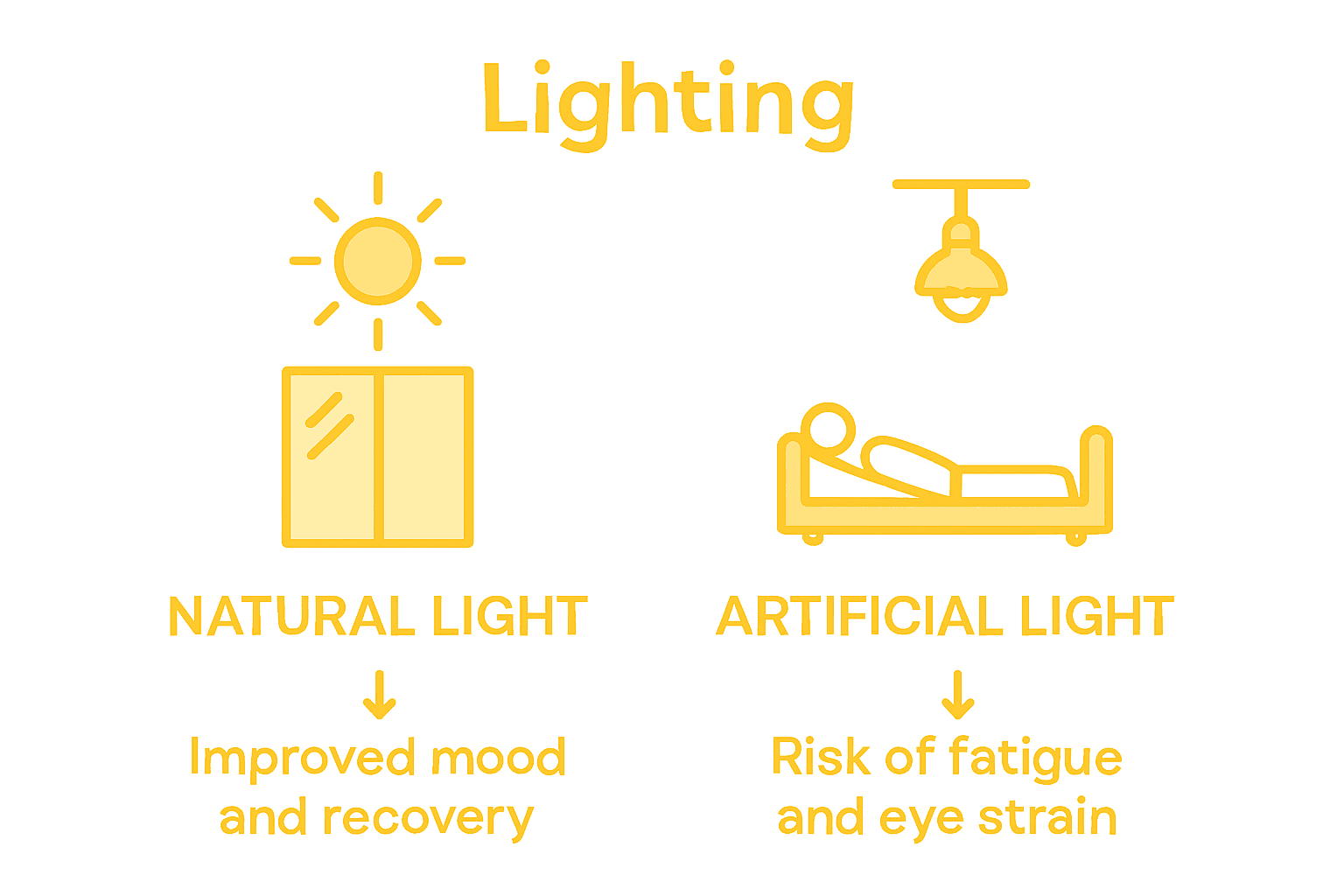
Key comparative characteristics include:
Natural Light Advantages:
Dynamic spectral composition
Supports circadian rhythm regulation
Enhances mood and emotional well-being
Promotes vitamin D synthesis
Provides visual depth and variability
Connects occupants with external environment
Artificial Lighting Limitations:
Static spectral output
Limited physiological stimulation
Potential disruption of sleep cycles
Higher energy consumption
Less visual complexity
Reduced psychological engagement
Evidence-based design principles underscore that natural light is not merely an aesthetic preference but a critical health intervention. Artificial lighting, while necessary, cannot fully replicate the nuanced biological interactions triggered by natural daylight.
Modern healthcare design increasingly recognises that lighting should be viewed as a dynamic, adaptive system rather than a static architectural element. This paradigm shift demands sophisticated approaches that blend natural and artificial lighting technologies to create holistic, responsive healing environments.
Pro Tip: Lighting Integration Assessment: Conduct comprehensive lighting audits that evaluate both natural and artificial light sources, focusing on spectral quality, temporal variations, and their combined impact on patient and staff well-being.
Below is a comparison of natural light and advanced artificial lighting technologies in healthcare settings:
Aspect | Optimised Natural Light | Advanced Artificial Lighting |
Spectral accuracy | Matches natural circadian cues | Can be tuned but less variable |
Energy consumption | Low when optimised | Typically higher, especially at night |
Psychological effect | Strong connection to environment | Variable, may need enhancement technologies |
Adaptability | Seasonal, time-variant | Programmable for constant output |
Transform Healthcare Spaces with Advanced Natural Light Optimisation
The challenge of maximising natural light in healthcare design is pivotal for enhancing patient recovery, reducing stress, and supporting staff well-being as outlined in the article. Many healthcare facilities struggle with balancing daylight penetration while controlling glare and energy costs. The concepts of dynamic light management and circadian rhythm alignment highlight the need for sophisticated solutions that do more than just brighten spaces.
At LightMirror, we understand these goals. Our innovative reflective panel systems use advanced physics and AI algorithms to redirect sunlight deep into hospital and care home interiors. This reduces the dependency on artificial lighting and heating, achieving significant energy savings and aligning with green building standards. Explore our specialised collections like Saaremaa lighthouse | LightMirror 2023 which demonstrate how thoughtful design meets sustainability. By embracing our comprehensive services from feasibility studies to installation, healthcare decision-makers can create healthier, more sustainable environments today.
Ready to elevate your healthcare facility with natural light optimisation that supports both people and the planet? Discover more at LightMirror and see how you can integrate intelligent daylight solutions designed specifically for healthcare. For inspiring design options, browse the Provence lavanda | LightMirror 2023 collection and start your journey towards natural light excellence now.
Frequently Asked Questions
What are the benefits of natural light in healthcare design?
Natural light can significantly improve patient outcomes by accelerating healing times, reducing stress levels, and enhancing mood. For healthcare staff, optimised natural lighting can increase alertness, reduce fatigue, and promote better mental health, all of which contribute to a more productive work environment.
How can natural light optimisation be achieved in healthcare facilities?
Natural light optimisation can be achieved through various strategies, including precise window positioning, the use of light-reflective interior surfaces, dynamic shading systems, and advanced daylight tracking technologies to ensure adequate sunlight penetration while mitigating glare and thermal gain.
What are the psychological impacts of natural lighting in healthcare settings?
Natural lighting has numerous psychological benefits, such as reducing anxiety and improving mood. Exposure to natural light can help regulate circadian rhythms, which is crucial for both patients’ recovery and healthcare staff’s well-being.
How does natural light impact energy efficiency in healthcare design?
Implementing natural light strategies can substantially reduce reliance on artificial lighting, thus lowering energy consumption and operational costs. Techniques such as automated daylight harvesting systems and reflective surface technologies contribute to enhanced energy efficiency and sustainability in healthcare environments.
Recommended
Comments