


7 Practical Examples of Green Lighting Solutions for Healthcare
- Dimitri

- Dec 31, 2025
- 11 min read
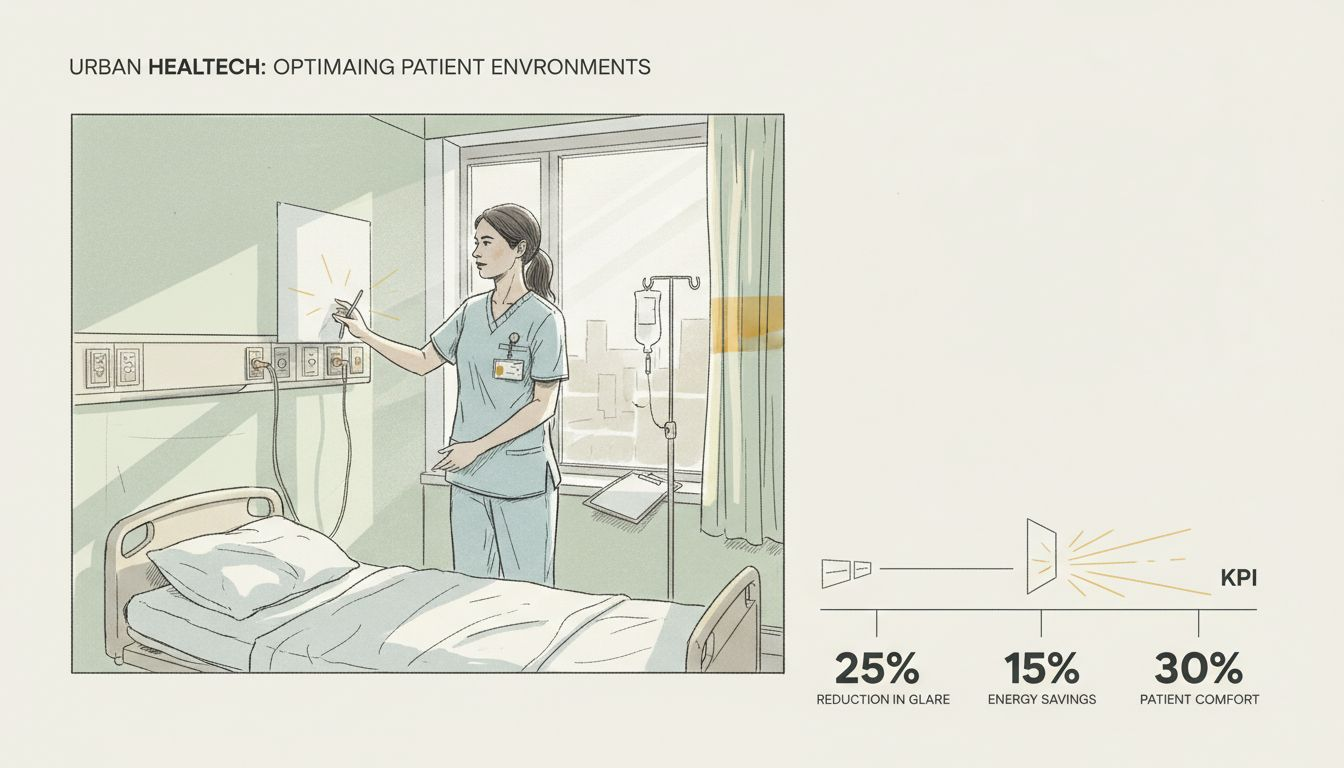
Over 80 percent of hospital energy costs in British and European facilities come from lighting and climate control. As patient recovery is strongly linked to thoughtfully designed environments, green lighting solutions are fast becoming essential in hospital construction. For healthcare facility managers and architects, this means a unique opportunity to combine sustainability with patient-centered care using strategies that reduce costs while improving well-being.
Table of Contents
Quick Summary
Takeaway | Explanation |
1. Enhance patient recovery with daylight | Natural light exposure can significantly speed up patient recovery and improve mood, making healthcare settings more therapeutic. |
2. Implement high-efficiency LED lighting | Switching to LED lighting can reduce energy consumption by 60-70% and improve light quality for optimal patient comfort. |
3. Use smart sensors for efficient lighting control | Smart sensors can adjust lighting based on occupancy and ambient light, resulting in energy savings of up to 50%. |
4. Integrate solar-powered lighting solutions | Solar fixtures reduce carbon emissions and operational costs, offering reliable energy sources and potential ROI in 3-5 years. |
5. Design for circadian rhythm optimisation | Implementing lighting that mimics natural light cycles can enhance staff performance and patient recovery, fostering a healthier environment. |
1. Maximising Daylight with Reflective Panel Systems
Healthcare facilities are increasingly recognising the profound impact of natural daylight on patient recovery and staff performance. Reflective panel systems represent a cutting-edge approach to optimising natural light availability in medical environments, transforming traditional hospital spaces into healing environments that support both physical and psychological well-being.
These advanced systems work by strategically capturing and redirecting sunlight deeper into hospital interiors, overcoming architectural limitations that traditionally block natural illumination. By utilising precision-engineered reflective surfaces, these panels can channel daylight through corridors, patient rooms, and treatment areas that would otherwise remain dark and reliant on artificial lighting.
The scientific benefits are compelling. Research demonstrates that patients exposed to natural light experience faster recovery times, reduced stress levels, and improved overall mood. Staff working in well-illuminated environments report higher alertness, decreased fatigue, and enhanced productivity. Moreover, these systems significantly reduce energy consumption by minimising the need for electric lighting during daytime hours.
Implementing reflective panel technology requires careful spatial analysis and strategic placement. Healthcare architects must consider building orientation, window placement, and interior layout to maximise light penetration. This might involve installing panels at specific angles to capture morning or afternoon sunlight, or designing light wells that funnel illumination through multiple building levels.
Key advantages include reduced electricity costs, improved patient experience, and a demonstrable commitment to sustainable healthcare infrastructure. Hospitals adopting these systems can expect energy savings of up to 40% in lighting expenses while creating more healing-oriented environments.
Expert Recommendation: Conduct a comprehensive daylight assessment before installation to identify optimal panel positioning and maximise natural light potential.
2. Installing High-Efficiency LED Lighting
Healthcare environments demand sophisticated lighting solutions that balance energy efficiency with patient well-being. High-efficiency LED lighting represents a transformative technology that addresses both critical requirements, offering unprecedented performance in medical settings.
These advanced lighting systems are not merely about illumination but creating healing environments. Melanopic engineered lighting systems demonstrate remarkable potential for supporting human health and reducing electrical energy consumption, making them ideal for round-the-clock healthcare facilities.
LED technology provides multiple advantages for healthcare infrastructure. Unlike traditional lighting, these systems consume significantly less electricity while delivering superior light quality. Modern LEDs can be precisely calibrated to mimic natural daylight spectrums, which supports patients’ circadian rhythms and promotes faster recovery processes.
Implementation strategies involve careful selection of LED specifications tailored to different healthcare zones. Operating theatres require high colour rendering indices for precise visual tasks, while patient rooms benefit from adjustable colour temperatures that can be modulated throughout the day. Smart LED systems can now be programmed to automatically shift colour temperatures, enhancing both energy efficiency and patient comfort.
The long-term financial benefits are compelling. High-quality LED installations typically reduce energy consumption by 60 to 70 percent compared to traditional lighting technologies. Additionally, their extended lifespan minimises maintenance costs and replacement frequency in busy medical environments.
Expert Recommendation: Conduct a comprehensive lighting audit before installation to determine optimal LED configurations specific to each healthcare space.
3. Using Smart Sensors for Automated Light Control
Smart sensor technology represents a revolutionary approach to managing lighting in healthcare environments. These intelligent systems go far beyond traditional motion detection, offering nuanced and adaptive lighting solutions that respond dynamically to occupancy and environmental conditions.
Advanced sensor technologies enable real-time adjustments in lighting based on precise occupancy measurements and ambient light levels, transforming how healthcare facilities manage their illumination. By continuously monitoring room conditions, these sensors can automatically modulate light intensity, colour temperature, and distribution to optimise both energy efficiency and patient comfort.
In practical healthcare settings, smart sensors create multiple layers of intelligent lighting management. They can detect when patient rooms are unoccupied and immediately reduce artificial lighting, significantly reducing electricity consumption. Simultaneously, these sensors can adjust lighting to support patients’ natural circadian rhythms, potentially accelerating recovery processes and improving overall well-being.
The technological capabilities extend beyond simple on-off functionality. Modern smart sensor systems integrate advanced algorithms that learn from environmental patterns, predicting lighting needs across different hospital zones. Surgical theatres, recovery rooms, and administrative areas can each receive precisely calibrated lighting that supports specific functional requirements.
Energy savings are substantial. By implementing intelligent sensor technologies, healthcare facilities can potentially reduce lighting energy consumption by up to 50 percent. This not only represents significant financial savings but also demonstrates a meaningful commitment to environmental sustainability.
Expert Recommendation: Conduct a comprehensive lighting audit to identify optimal sensor placement and integration points within your healthcare facility.
4. Adopting Solar-Powered Lighting Fixtures
Solar-powered lighting represents a transformative approach to sustainable healthcare infrastructure. These innovative fixtures offer healthcare facilities an opportunity to dramatically reduce carbon emissions while ensuring reliable, independent energy sources.
Advanced solar lighting technologies provide resilient and environmentally responsible illumination solutions for complex healthcare environments, enabling facilities to reduce grid dependence and minimise their ecological footprint. By harnessing renewable energy directly through integrated photovoltaic systems, hospitals can achieve significant operational cost reductions.
The technological sophistication of modern solar lighting extends far beyond simple outdoor installations. Contemporary solar fixtures can now be seamlessly integrated into interior spaces, providing consistent illumination that adapts to changing environmental conditions. Intelligent solar systems can store energy during peak sunlight hours, ensuring continuous power availability during evening and night shifts when consistent lighting is most critical.
Implementation strategies involve careful architectural planning and technological integration. Healthcare facility managers should consider solar fixtures that offer modular designs, enabling gradual infrastructure upgrades. Specific areas like exterior walkways, parking zones, emergency exits, and auxiliary spaces present ideal initial deployment opportunities for solar lighting technologies.
Financial considerations are compelling. While initial installation costs might seem substantial, solar lighting systems typically achieve full return on investment within 3 to 5 years through substantial electricity savings. Moreover, many governments offer substantial green energy incentives that can offset implementation expenses.
Expert Recommendation: Conduct a comprehensive site assessment to identify optimal solar fixture locations and potential energy generation capacities before full implementation.
5. Implementing Circadian Rhythm-Friendly Illumination
Circadian rhythm-friendly illumination represents a sophisticated approach to healthcare lighting design that recognises light’s profound impact on human biological processes. This innovative strategy moves beyond traditional illumination, transforming lighting from a mere functional necessity to a therapeutic intervention.
Advanced lighting systems can significantly reduce staff fatigue and enhance patient recovery by mimicking natural light progression throughout the day, creating environments that actively support human physiological cycles. By precisely calibrating light colour temperature and intensity, healthcare facilities can effectively regulate patient and staff biological rhythms.
The science behind circadian lighting is rooted in our evolutionary relationship with natural light. Human bodies have intricate internal clocks that respond to specific light wavelengths, triggering hormonal responses, regulating sleep patterns, and influencing mood. In healthcare settings, this means designing lighting systems that transition from cooler, energising blue light spectrums during morning hours to warmer, more relaxing tones in evening periods.
Practical implementation involves multi-zone lighting strategies. Different hospital areas require distinct lighting approaches. Operating theatres might maintain consistent high colour rendering indices, while patient recovery rooms could feature dynamically adjusting light spectrums that support healing and rest. Intelligent lighting control systems can automate these transitions, ensuring consistent biological support without manual intervention.
Research indicates that well-designed circadian lighting can reduce patient recovery times, improve staff cognitive performance, and create more psychologically supportive healthcare environments. The potential benefits extend beyond immediate physiological responses to long-term health outcomes and workplace satisfaction.
Expert Recommendation: Conduct a comprehensive lighting audit to map current illumination patterns and identify opportunities for circadian rhythm optimisation.
6. Integrating AI-Driven Daylight Optimisation
Artificial Intelligence represents a revolutionary approach to managing natural light in healthcare environments, transforming traditional architectural design principles into dynamic, responsive systems. By leveraging advanced computational techniques, AI enables unprecedented precision in daylight management.
AI-powered daylight optimization uses sophisticated simulation strategies to enhance natural light penetration and distribution across complex healthcare buildings, creating intelligent lighting solutions that adapt in real-time to environmental conditions and occupant needs.
The technological sophistication of AI-driven systems extends far beyond traditional static lighting approaches. These intelligent platforms continuously analyse multiple environmental variables including solar angle, building orientation, atmospheric conditions, and interior spatial configurations to orchestrate optimal light distribution.
Healthcare facilities implementing AI daylight optimization can expect significant benefits. Intelligent systems automatically adjust shading mechanisms, window transparencies, and reflective surfaces to maintain consistent visual comfort while maximising energy efficiency. This dynamic approach reduces artificial lighting requirements by up to 60 percent, generating substantial operational cost savings.
Practical implementation involves integrating sensor networks, machine learning algorithms, and adaptive architectural components. Facade design becomes a responsive ecosystem that learns and improves its performance continuously, creating environments that actively support patient recovery and staff well-being.
Expert Recommendation: Conduct a comprehensive architectural assessment to identify optimal AI integration points for maximising natural light potential.
7. Combining Lighting Solutions with Green Building Standards
Green building standards represent a holistic approach to sustainable infrastructure, with lighting solutions playing a crucial role in achieving environmental and human health objectives. Healthcare facilities are increasingly recognising the importance of integrating advanced lighting technologies within comprehensive sustainability frameworks.
Sophisticated lighting solutions can align seamlessly with green building certifications like LEED and WELL, promoting environmental responsibility and occupant well-being, creating spaces that are both ecologically intelligent and human centric.
Green building standards evaluate lighting solutions across multiple dimensions. Energy efficiency, light quality, occupant comfort, and environmental impact are meticulously assessed. Healthcare facilities can earn certification points by implementing technologies that reduce electricity consumption, maximise natural daylight, and support human biological rhythms.
Practical implementation involves a strategic multi-layered approach. This includes selecting high-efficiency LED fixtures, integrating daylight harvesting technologies, implementing smart sensor systems, and designing spaces that prioritise natural light penetration. Each technological intervention contributes towards meeting stringent green building certification requirements.
The financial implications are compelling. Green certified healthcare buildings typically demonstrate 20 to 30 percent lower operational costs compared to traditional structures. Moreover, these environments have been shown to enhance patient recovery rates, improve staff productivity, and create a demonstrable commitment to environmental stewardship.
Expert Recommendation: Engage sustainability consultants early in the design process to develop an integrated lighting strategy aligned with green building standards.
Below is a comprehensive table summarising the main strategies and considerations outlined in the article regarding innovative lighting and daylight optimising technologies in healthcare environments.
Technology | Description | Implementation Insights | Key Benefits |
Reflective Panel Systems | Utilise precision-engineered reflective designs to channel natural light deeper into interiors. | Conduct spatial analysis to determine optimal placement and angles. | Enhanced natural illumination; reduced dependency on artificial light. |
High-Efficiency LED Lighting | Efficiently manage energy while offering dynamic lighting suited to healthcare needs. | Select LED specifications tailored to diverse healthcare zones. | Reduced energy costs; prolonged equipment lifespan. |
Smart Sensors | Advanced algorithms adapt lighting conditions dynamically to environmental changes. | Integrate sensors at key position points with lighting audit support. | Increased energy economy; improved environment adaptability. |
Solar-Powered Lighting | Incorporate renewable photovoltaic technology for interior and exterior lighting. | Plan phased integration starting from targeted areas for testing. | Decreased grid energy reliance; noteworthy energy cost savings. |
Circadian Rhythm-Friendly Illumination | Designs mimic natural light patterns to align with biological cycles. | Implement multi-zone lighting; customised to circadian requirements. | Accelerated recovery; enriched psychological environment. |
AI-Driven Daylight Optimisation | Employ machine learning and real-time adjustments to maximise daylight use. | Pair AI bases with sensor networks to create a responsive ecosystem. | Reduced artificial lighting needs; optimal daylight usage. |
Integration with Green Standards | Aligns lighting designs with sustainable certifications like LEED and WELL. | Engage early collaboration with sustainability experts. | Green certifications; lowered overall operational costs. |
Transform Healthcare Lighting with Proven Green Solutions
Healthcare facilities face the urgent challenge of balancing energy efficiency with patient and staff well-being. This article highlights critical pain points such as maximising natural daylight, leveraging advanced LED and sensor technology, and integrating circadian rhythm-friendly illumination to foster healing environments while reducing costs. The concepts of reflective panel systems, AI-driven daylight optimisation, and alignment with green building standards underscore the need for innovative, sustainable lighting approaches that truly support health outcomes and environmental goals.
At LightMirror, we offer a pioneering daylight redirection system that addresses these precise challenges through advanced physics and AI algorithms. Our reflective panels enhance natural light penetration deep within healthcare interiors, reducing reliance on artificial lighting and heating. Explore our specialised collections like the Saaremaa lighthouse and Provence lavanda which demonstrate our commitment to creating sustainable, health-promoting spaces.
Seize this opportunity to upgrade your healthcare facility with innovative green lighting solutions that combine energy savings and enhanced recovery environments. Visit LightMirror today and take the first step towards a brighter, sustainable future for your patients and staff.
Frequently Asked Questions
What are reflective panel systems and how can they benefit healthcare facilities?
Reflective panel systems capture and redirect sunlight deeper into hospital interiors, enhancing natural light availability. By utilising these systems, healthcare facilities can improve patient recovery times, reduce stress levels, and save on energy costs by decreasing reliance on artificial lighting.
How can high-efficiency LED lighting improve energy consumption in a healthcare setting?
High-efficiency LED lighting can reduce energy consumption by 60 to 70 percent compared to traditional lighting options. Implementing LED systems tailored to specific healthcare areas can enhance the patient experience and significantly lower electricity expenses within just a few months.
What role do smart sensors play in automated light control for healthcare environments?
Smart sensors dynamically adjust lighting based on occupancy and ambient light levels, offering energy savings of up to 50 percent. To optimise a healthcare facility’s lighting management, install sensors that react to real-time conditions, reducing energy costs and enhancing patient comfort simultaneously.
How can solar-powered lighting fixtures be integrated into healthcare infrastructure?
Solar-powered lighting can be incorporated into both outdoor and indoor spaces, reducing grid dependency and carbon emissions. Consider deploying these fixtures in areas such as walkways or parking lots to begin realising operational cost savings in as little as three to five years.
What is circadian rhythm-friendly illumination and how does it impact patient recovery?
Circadian rhythm-friendly illumination mimics natural light progression throughout the day, supporting biological rhythms and enhancing recovery processes. Implement lighting systems that transition between cool morning tones and warm evening hues to foster healing environments that benefit both patients and staff.
How can healthcare facilities ensure their lighting solutions align with green building standards?
To align lighting solutions with green building standards like LEED, integrate technologies that maximise energy efficiency and optimise natural daylight. Engage sustainability consultants early in the design process to develop a comprehensive lighting strategy that meets certification criteria, potentially lowering operational costs by 20 to 30 percent.
Recommended
Comments